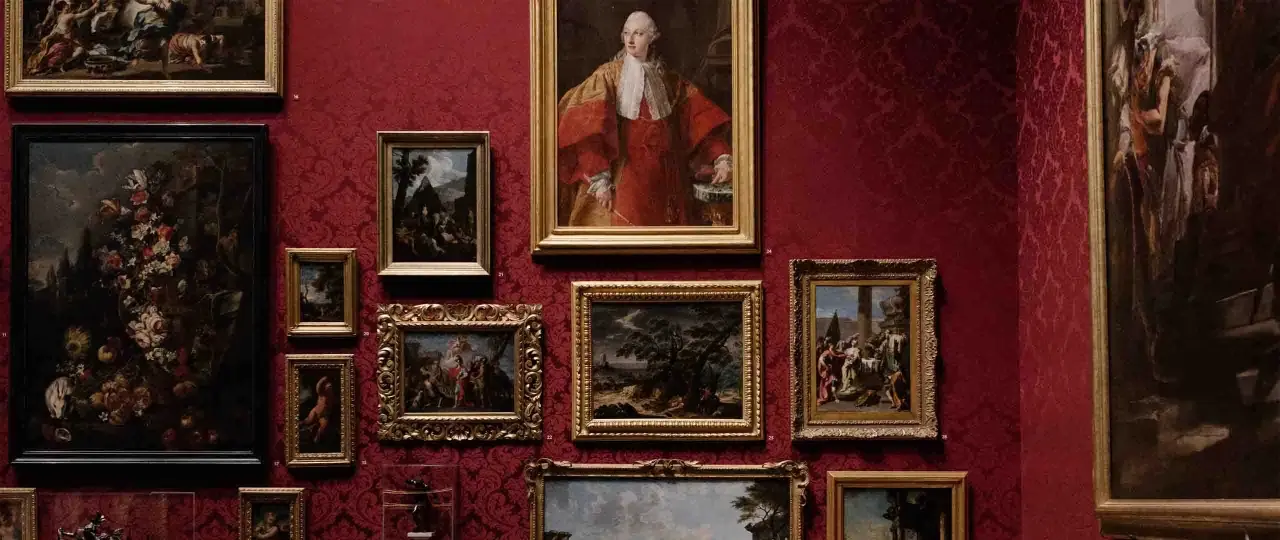
There is no single best way to invest in art because the right move depends on budget, holding period, and how much illiquidity you can tolerate. The smart version of art buying is less about chasing headlines and more about selecting works with real market depth, clean provenance, and a price that still makes sense after fees. In this guide, I break down the UK market, the purchase routes that matter, and the checks I would use before I treat a work as an asset.
The main job is to buy quality, not just to buy art
- Art is a long-duration asset. I would plan for years, not months, because resale is slow and transaction costs are real.
- UK buyers have a deep market to work with. The UK remains the world’s second-largest art market, so there is enough data to compare prices, but quality still separates good buys from expensive mistakes.
- Secondary-market works are easier to benchmark. Auction records and private-sale comparables give you a better read on value than pure hype.
- Editioned photography and works on paper can be sensible entry points. They often let you buy into strong artists without taking on the cost of a major canvas.
- Total cost matters more than the headline price. Buyer’s premium, shipping, framing, insurance, and storage can change the economics fast.
What art investment really means
When I talk about art as an investment, I am not talking about a liquid market with daily pricing and a neat dividend stream. Art can store value, compound slowly, and occasionally surge, but it behaves more like a private-market asset than a public one. That means the upside usually comes from three things: buying the right artist, buying the right work within that artist’s market, and buying at a price that leaves room for costs and future demand.
The latest Art Basel and UBS report is a useful reminder that the market still rewards depth over novelty. Postwar art remained the largest auction sector, modern art rebounded, and contemporary art held steady rather than dominating the field. In plain English, the market keeps paying for artists with proven demand, institutional support, and a buyer base that actually trades. That is why I would never confuse “interesting” with “investment-grade” without checking the market behind the work.
So the real question is not whether art can be a good store of value. It can. The better question is whether you want to buy for cultural value first and hope for appreciation, or buy with a clear thesis about liquidity, scarcity, and resale. That distinction shapes everything else.
Where I would buy first in the UK market
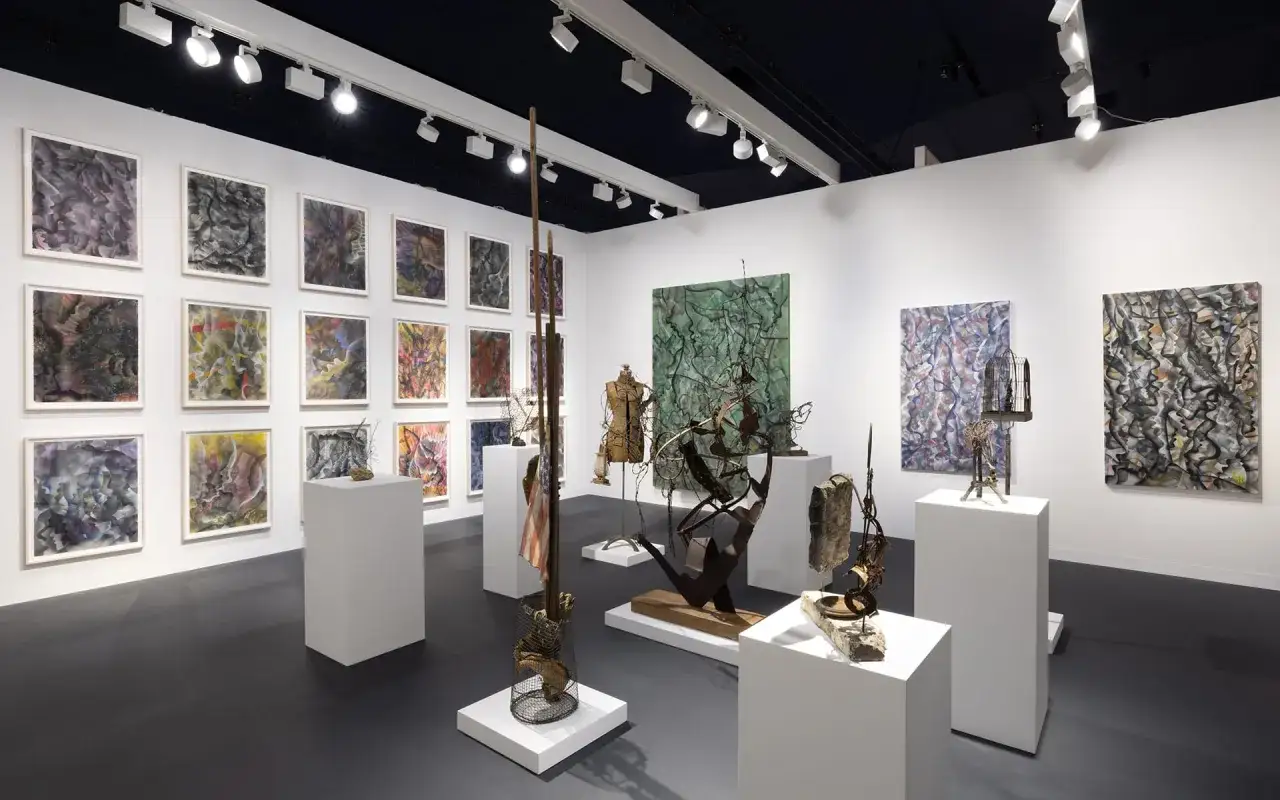
The UK is a strong place to buy because the market is large enough to provide comparisons and specialist advice, yet concentrated enough that quality still matters. The most useful channels are not the same for every buyer, though, and I would choose the route based on how much price transparency I need.
| Route | Best for | Why it works | What to watch |
|---|---|---|---|
| Primary gallery | Emerging or mid-career artists | Access to new work, direct relationships, and first pricing | Less resale history, easier to overestimate demand |
| Secondary auction | Established artists and benchmark buying | Public comparables, visible price discovery, global reach | Buyer’s premium, competition, and condition surprises |
| Art fair | Discovery and comparison shopping | One place to see many galleries and price points | Easy to get swept up and pay for momentum |
| Online sale | Lower-priced purchases and research | Convenient, broad selection, useful for screening the market | Harder to assess condition in person; 2025 online-only sales were just 15% of total market value, so the highest end still prefers live selling |
| Private sale | Discreet acquisitions and negotiation | Can surface off-market works and flexible terms | Less transparent pricing, so diligence has to be stricter |
In practice, I would start with the secondary market if I want evidence, and with a strong gallery if I want access. Art fairs are useful when I already know what I am looking for, not when I am trying to invent a thesis on the spot. That is why channel selection comes before selection of the work itself.
How I judge whether a work can actually hold value
Investment-grade art does not need to be famous, but it does need evidence. I look for market depth first, because a work with no comparables is a guessing game dressed up as taste. I want to see repeat appearances in the market, a collector base that is more than a single dealer, and enough recognition that I can understand how the artist’s prices behave across size, medium, and period.
- Artist trajectory. Museum shows, serious critical writing, and strong gallery representation matter because they support long-term legitimacy.
- Medium and edition logic. A unique painting is not automatically better than editioned photography; what matters is whether the medium has an active collector base and disciplined pricing.
- Condition and provenance. Clean ownership history, no hidden restoration issues, and complete paperwork reduce downside risk.
- Price compared with recent sales. I compare the all-in price to recent sales of similar works, not to a dealer’s aspiration or an auction estimate that looks convenient.
- Scarcity that is real, not invented. Limited editions, small bodies of work, and important periods within an artist’s career are more convincing than simple rarity claims.
Photography deserves special mention here because it often offers a lower entry point, but edition size, print quality, and the photographer’s market history are everything. A tightly controlled edition by an artist with institutional support can be far more sensible than a larger, cheaper edition that never develops real collector demand. When the medium is editioned, the market is partly about discipline, not just aesthetics. That leads directly to the question of how to buy without making avoidable mistakes.
A buying process that reduces bad decisions
The most common mistake I see is buyers skipping straight to the emotional reaction. I understand the impulse, but if money is part of the equation, I would run the purchase through a simple process before I commit.
- Set the objective. Decide whether the work is meant to be a long-term hold, a first entry into a category, or part of a broader collection strategy.
- Choose one segment. Do not shop for everything at once. Pick a lane such as postwar, contemporary, works on paper, or photography, then learn the market structure in that lane.
- Build comparables. Find recent sales of similar works, ideally with the same medium, size range, and time period.
- Inspect the work in person if possible. Condition matters more than many buyers expect, especially for paper-based works, prints, and older paintings.
- Ask for the documents. Provenance, exhibition history, edition details, and any conservation notes should be clear before money moves.
- Price the whole deal. Include the hammer price or asking price, buyer’s premium or commission, shipping, framing, insurance, taxes, and storage.
- Walk away from urgency. If the sale depends on panic, scarcity language, or a deadline that feels theatrical, I treat that as a warning sign.
This is also where a serious collector behaves differently from a hopeful buyer. A collector can wait for the right condition, the right example, and the right price. That patience is often the difference between a purchase that compounds and one that simply sits on the wall.
The costs and liquidity constraints that change the math
Art gets expensive in ways that are easy to miss when you focus only on the lot price. Auction purchases often carry a buyer’s premium on top of the hammer price, while private purchases may hide commission inside the asking price. Either way, the price you see is rarely the total price you pay. Add shipping, framing, insurance, possible conservation, and storage, and the economics can move fast.
| Cost or constraint | Why it matters | How I handle it |
|---|---|---|
| Buyer’s premium or commission | Raises the real entry price | Calculate the all-in figure before you bid or negotiate |
| Shipping and handling | Can be material for large or fragile works | Price it before purchase, not after |
| Framing and conservation | Can improve presentation, but not every work needs a premium frame | Only upgrade when it protects the work or clearly improves salability |
| Insurance and storage | Ongoing holding costs reduce net return | Budget them as part of ownership, not as an afterthought |
| Illiquidity | Resale can take months, not days | Use a longer holding period and avoid money you may need quickly |
How I would allocate capital by budget
If the goal is return rather than pure collecting, I would keep art as a small satellite allocation rather than a core part of my wealth. My rule of thumb is to stay disciplined enough that a slow exit would not damage the rest of the portfolio. That usually means buying fewer works, at higher quality, with stronger documentation.
| Budget band | What I would target | What I would avoid |
|---|---|---|
| Under £5,000 | Editioned photography, works on paper, and carefully chosen emerging artists with credible exhibitions | Speculative hype, anonymous editions, and any work you cannot explain in one sentence |
| £5,000 to £25,000 | One strong work or two disciplined buys with real comparables, especially in contemporary art and photography | Chasing fashion, overpaying at fairs, and assuming a name alone guarantees resale |
| £25,000 to £100,000 | Established artists with documented market depth, plus better secondary-market examples | Weak condition, thin provenance, or buying only because the price feels “safe” |
| £100,000 and above | Concentrated positions in major works with deep comparables and strong institutional support | Paying for prestige without checking whether the market actually trades the artist at that level |
For photography, I would lean toward smaller edition sizes, strong printer information, and artists whose market has already demonstrated repeat demand. For paintings, I want enough history to know whether the artist’s prices are stable, rising, or merely noisy. In both cases, I would rather own one excellent example than several mediocre ones. That principle matters even more when the purchase is large enough to feel significant.
What I would check before wiring money
Before I commit, I run the purchase through a final checklist that strips away the romance. It is simple, but simple is useful when emotion is involved.
- Does the work have a clean story? I want provenance, condition, and edition details that I can verify.
- Is the total cost acceptable? I never decide from the headline price alone.
- Can I explain the thesis? If I cannot explain why this artist and this work make sense, I am probably buying a feeling.
- Does the market support an exit? I prefer works with enough market activity that a future sale would not be a blind gamble.
- Am I comfortable holding it? If the work needs a quick flip to make sense, I usually pass.
The closest thing to a reliable strategy is this: buy quality in a market segment you understand, verify the paperwork, and accept that art rewards patience more than speed. If you keep those three habits in place, you are already ahead of most buyers in the market.