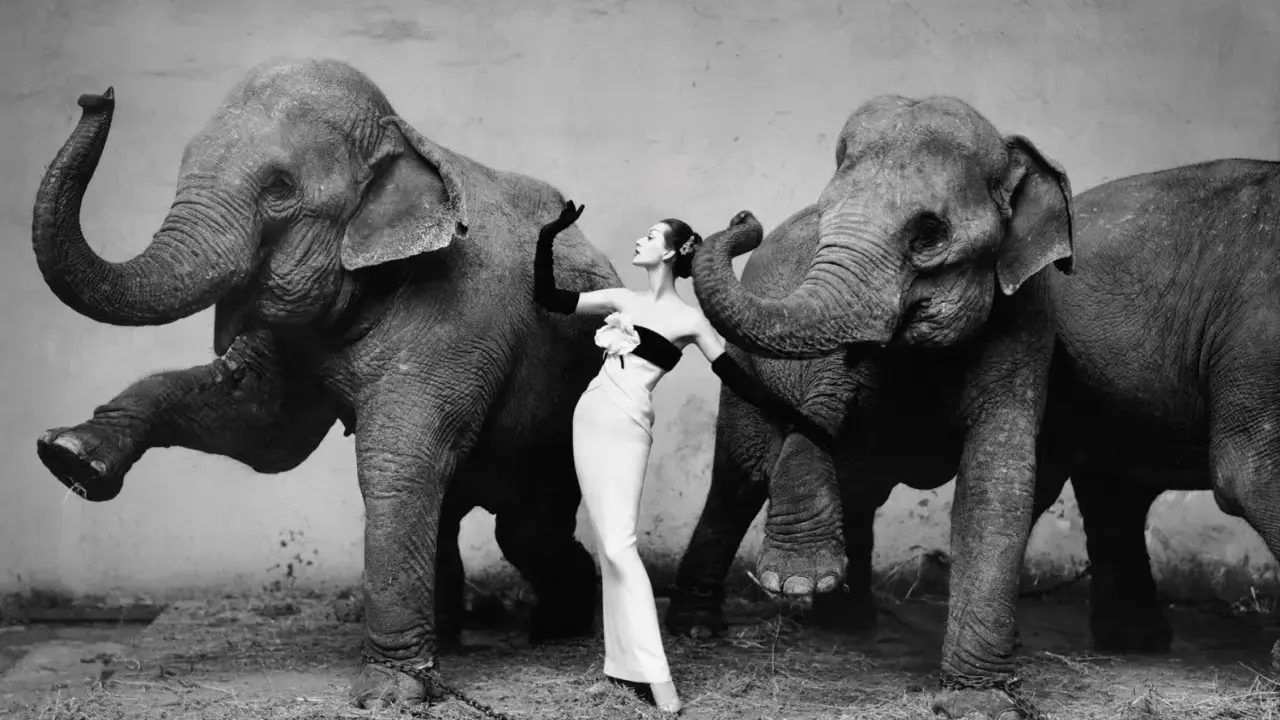
Key facts at a glance
- Iconic photographs usually combine strong composition, a decisive moment, and a caption or context that makes the image legible beyond the first glance.
- The best-known examples include documentary images, portrait studies, and staged or conceptual works, not just war photography.
- Authorship, publication history, and later reproduction all shape how a photograph is remembered.
- For collectors, print type, edition size, condition, and provenance often matter as much as the image itself.
- When I evaluate a landmark photograph, I ask whether it still communicates without the original article, archive note, or museum label.
What makes a photograph famous in the first place
I rarely think of a photograph as becoming famous because of one single reason. More often, it hits a rare overlap: the image is visually clear, the moment is charged, and the picture gets repeated until it becomes shorthand for something larger than itself. The classic decisive moment is part of that equation, but so is circulation, because a frame that stays buried in an archive does not shape public memory in the same way.
| Signal | Why it matters | What I check first |
|---|---|---|
| Timing | The shutter catches a gesture or expression that would disappear a second later. | Whether the action feels inevitable or accidentally perfect. |
| Composition | Structure gives the image staying power, even when the subject is familiar. | Lines, balance, negative space, and the placement of the subject. |
| Circulation | Repeated publication makes the image part of collective memory. | Front pages, magazines, books, exhibitions, and now digital reuse. |
| Context | The caption and surrounding story change how the picture is read. | Who published it, with what text, and in what political or cultural moment. |
| Afterlife | Reproduction, debate, and scholarship keep the image active. | Whether it is still discussed, reprinted, or reassessed decades later. |
That is why some famous photographs become visual symbols while others, equally strong, remain mainly known inside the history of the medium. In my view, the ones that last are never only beautiful; they are durable because they can carry meaning at speed. Once you can see those signals, the next step is to look at the canon itself and ask why certain images keep returning.
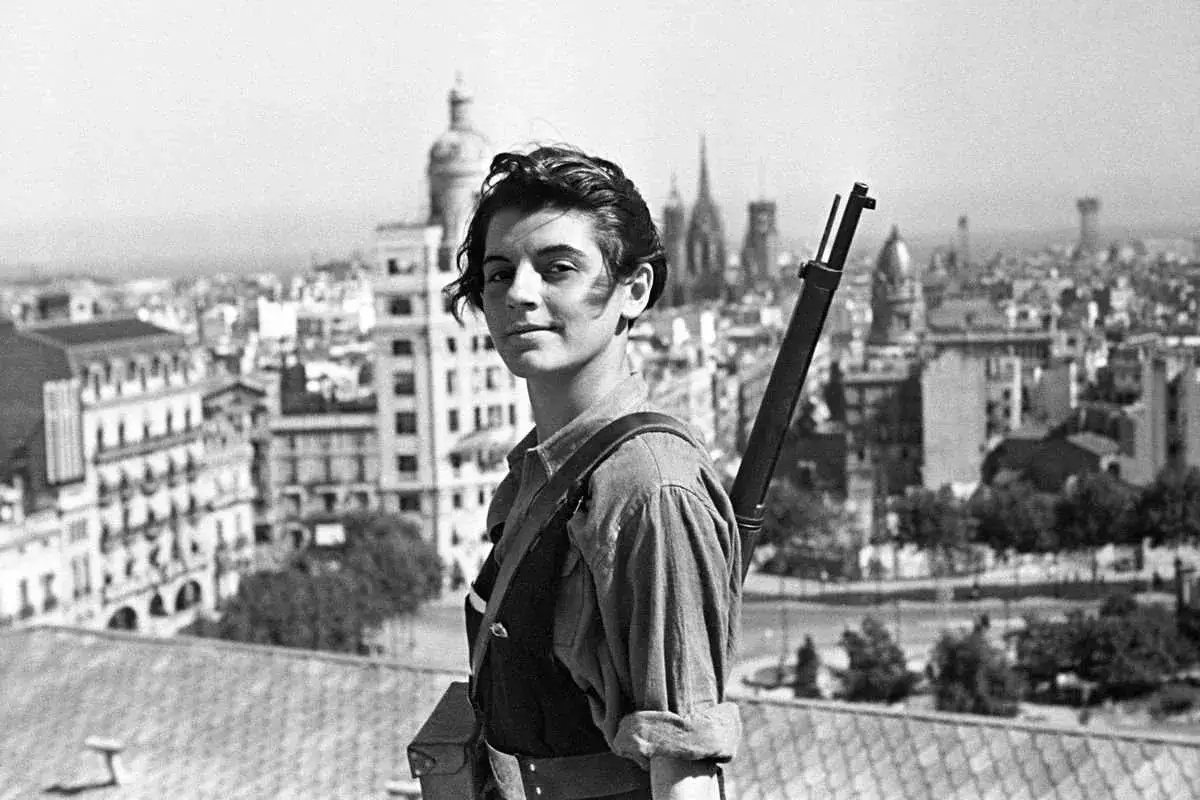
The images that still define the canon
The usual shortlist is useful, but only if we read it critically. The best-known images are not all the same kind of picture: some are documentary, some are portraits, some are found moments, and some are closer to visual slogans than to traditional reportage. In the UK, these images are often encountered through museum displays, auction catalogues, and photobooks, which means their reputations are shaped as much by presentation as by original publication.
| Photograph | Year | Why it still matters |
|---|---|---|
| Dorothea Lange, Migrant Mother | 1936 | The image turns documentary portraiture into public memory and remains a reference point for empathy in visual storytelling. |
| Henri Cartier-Bresson, Behind the Gare Saint-Lazare | 1932 | It is one of the cleanest demonstrations of timing and geometry working together without feeling staged. |
| Alfred Eisenstaedt, V-J Day in Times Square | 1945 | The image shows how a public gesture can become a mass-circulated symbol of relief, spectacle, and ambiguity. |
| Nick Ut, The Terror of War | 1972 | Its force comes from the collision of witness, trauma, and public conscience; it is impossible to separate the image from its ethical weight. |
| Steve McCurry, Afghan Girl | 1984 | It became globally recognizable and also opened a long discussion about portraiture, identity, and representation. |
| Jeff Widener, Tank Man | 1989 | The silhouette is so legible that the picture became shorthand for individual resistance against state power. |
If I want to understand why one image lasts longer than another, I compare this kind of photograph with more ephemeral pictures from the same period. The difference is often not technical perfection but clarity of meaning under pressure. Some pictures survive because they are beautiful; others survive because they are difficult to forget, and that is a very different kind of power. Once that distinction is clear, the real question becomes how to read an image without flattening it into legend.
How I read iconic photographs when I want the real story
I start with the caption, then I move to the frame, then I ask what the photographer left out. A contact sheet, which is the sequence of exposures printed together, can be more revealing than the final image because it shows how the picture was found, cropped, or selected. That matters because a single frame often looks inevitable only after decades of repetition.
- Check the caption first. The same image can mean something different when the date, place, or subject is clarified.
- Ask whether the picture was published alone. A photograph in a sequence can carry a different message from the same frame used on a cover or poster.
- Look at what sits outside the frame. The strongest images usually conceal as much as they reveal.
- Separate the print from the reproduction. A newsprint copy, a museum print, and a book scan are not the same object.
- Read the image as form, not just event. Composition, rhythm, and light are part of the meaning, not decoration around it.
That approach keeps me from mistaking familiarity for understanding. It also makes room for pictures that are less celebrated but arguably more inventive, especially when they use portraiture, sequencing, or staging to build meaning. From there, the conversation naturally shifts to value, because the same photograph can be a document, an artwork, and a collectible object all at once.
When a photograph becomes an artwork, a document, and a market object
This is where photography gets interesting for galleries and collectors. A single image may begin life as reportage, then move into museum context, then circulate as a fine-art print. In market terms, provenance means the documented ownership history of a print, and it can matter as much as the image itself. So can the paper, the surface, and whether the print is a vintage example or a later authorised version.
| Object type | What it usually means | Why buyers care |
|---|---|---|
| Vintage print | Printed near the time the image was made. | Usually scarcer and closer to the original historical moment. |
| Later print | Printed after the image was already known. | Can still be collectible, but the value depends more on condition and print quality. |
| Editioned fine-art print | An artist-approved print from a limited run. | Edition size, signature, and paper choice affect desirability. |
| Press reproduction | Produced for publication rather than collecting. | Usually much lower in value unless historically exceptional. |
In the classic black-and-white process, the gelatin silver print is the standard darkroom print made on silver-halide paper, and collectors often care about its tonal range, paper surface, and condition. That is why a famous image is not automatically a valuable object: value depends on scarcity, state, and documented history, not just on recognizability. Once you accept that, the next step is to notice the myths that keep people from reading photographs properly.
The myths that still distort the conversation
The first myth is that fame equals quality. It does not. Some images become famous because they are instantly legible, widely distributed, or tied to a major event, while other, more subtle photographs remain influential inside art history without becoming household names. I think this is one of the healthiest distinctions to keep in mind when looking at the medium.
- Myth 1: a famous image is automatically the best image. A picture can be culturally dominant without being the most formally inventive one in its period.
- Myth 2: one frame tells the whole story. Often the best-known frame is only a fragment of a larger sequence, editorial decision, or political context.
- Myth 3: technical polish guarantees importance. Many enduring photographs are rough, urgent, or imperfect in ways that improve their force.
- Myth 4: attribution never changes. Some of the most discussed images in photography history have complicated authorship or publication histories, and that complexity is part of the field rather than an exception to it.
Once I strip away those myths, the pictures become more interesting, not less. They stop behaving like fixed monuments and start looking like living objects that move between ethics, aesthetics, and public memory. That is the right place to finish, because it tells you what to do next when you want to look more intelligently.
What I would keep on a viewing list after the classics
If I were building a sharper visual memory, I would not just keep a list of names. I would compare original publication, museum print, and later reproduction for the same image, because that simple exercise reveals how much meaning changes with scale, crop, and caption. I would also pay attention to how British institutions and galleries frame these works, since curatorial context can completely shift the reading of a photograph.
- Look at the caption and publication history before deciding what the image “means”.
- Compare the same photograph in a newspaper, a book, and a gallery setting.
- Study contact sheets or sequences when they are available, not just the final frame.
- Notice whether the image is valued as a historical document, a fine-art print, or both.
- Watch for the difference between a picture that is famous and a picture that still rewards close looking.
The photographs that endure are usually the ones that keep asking for a second look. That is the real test, and it is also why the strongest images remain relevant in galleries, libraries, and the market long after the original moment has faded.