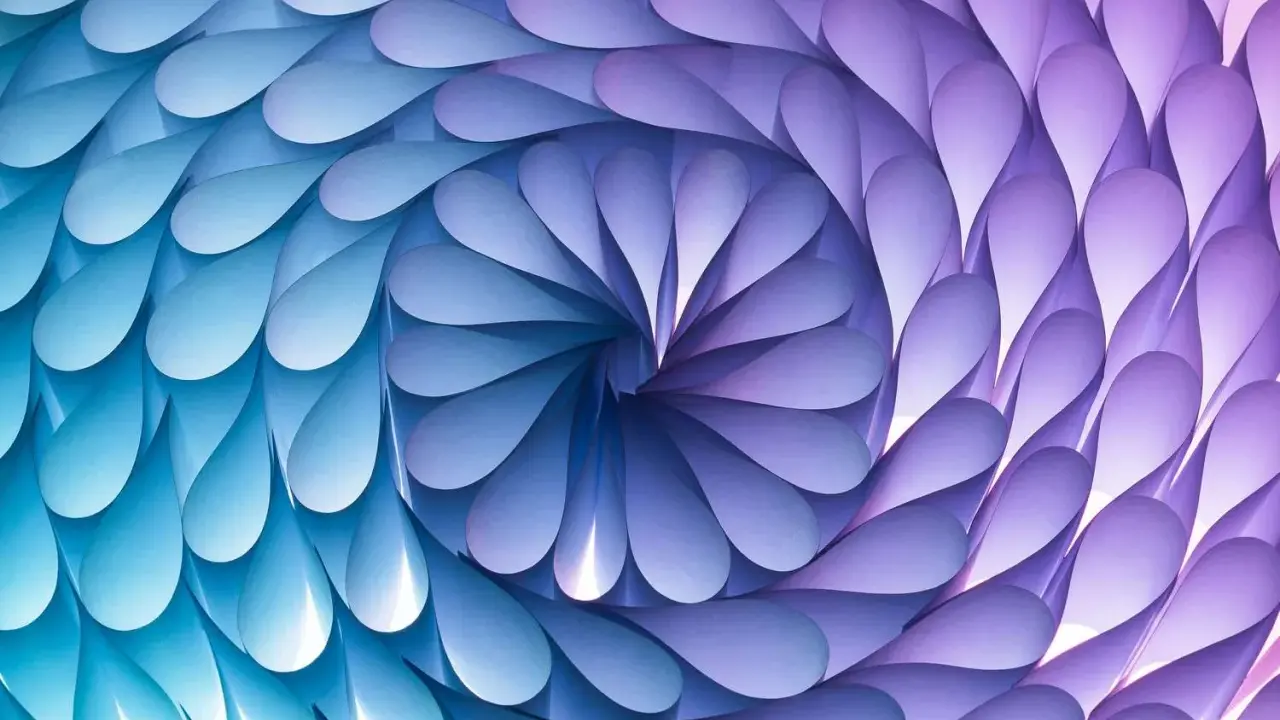
The core idea is that repetition becomes meaningful when it is organised, varied and purposeful
- Pattern is not just decoration; it helps a composition hold together and directs the eye.
- Repetition, pattern, rhythm and motif overlap, but each does a different job.
- Strong patterns balance predictability with one or more controlled interruptions.
- In contemporary art and photography, pattern can signal identity, mass production, memory or tension.
- The fastest way to judge it is to ask whether the repetition supports the subject or competes with it.
What pattern actually does inside a composition
I usually think of pattern as the point where repetition stops being accidental and becomes a visual system. It gives the eye a route through the image, but it also tells you something about the work’s mood: calm, control, insistence or even obsession. When it is handled well, the repetition is never just filler.
In practice, pattern tends to do four jobs at once:
- It unifies the work. Repeated elements make separate parts feel connected, even when the subject matter is fragmented.
- It guides attention. The eye naturally follows a repeated sequence, which can make the composition easier to read.
- It builds atmosphere. Dense repetition can feel meditative, ceremonial, mechanical or slightly claustrophobic.
- It creates contrast. A break in the system often becomes the focal point because the viewer notices what refuses to repeat.
For me, the useful test is whether the repeated element is simply occupying space or actively shaping how the image is understood. That distinction matters, because it leads straight into the neighbouring ideas of repetition, rhythm and motif.
Pattern, repetition, rhythm and motif are related but not the same
These terms are often used loosely, but they do different jobs. If I separate them clearly, I can talk about a work more precisely and avoid treating every repeated element as the same thing.
| Term | What it means | Visual effect | Typical use |
|---|---|---|---|
| Motif | The repeated unit | A recognisable visual building block | A dot, leaf, face, arch, tile or figure |
| Repetition | The same or a similar element appears more than once | Creates echo, continuity and consistency | Rows of objects, repeated gestures, serial images |
| Pattern | Organised repetition with a clear structure | Produces order, predictability and visual logic | Grids, stripes, tessellations, decorative systems |
| Rhythm | The tempo created by repetition plus variation | Makes the eye move at a particular pace | Sequences that speed up, slow down or alternate |
Once that distinction is clear, it becomes easier to see why some works feel orderly and others feel intentionally unsettled. The next step is looking at the main forms pattern takes in practice.
The main kinds of pattern artists rely on
Artists rarely invent pattern from scratch; they usually build on a familiar visual logic and then alter it. In practice, I see four families of pattern show up again and again.
- Geometric pattern uses grids, stripes, circles or tessellations. It feels stable, architectural and often deliberately artificial.
- Organic pattern borrows from leaves, waves, clouds and cellular forms. It is looser, which gives it a more living or breathing quality.
- Ornamental pattern foregrounds surface pleasure through textiles, tilework or wallpaper-like fields. It can be beautiful on purpose, but it can also carry cultural memory and craft traditions.
- Disrupted pattern repeats until it breaks. That break is often the point, because it introduces narrative, irony or a shift in scale.
In contemporary work, the most interesting pattern is often not the most perfect one. A slight inconsistency is usually what makes the system feel human rather than mechanical. That idea matters even more once pattern becomes a vehicle for meaning.
How artists use pattern to create meaning
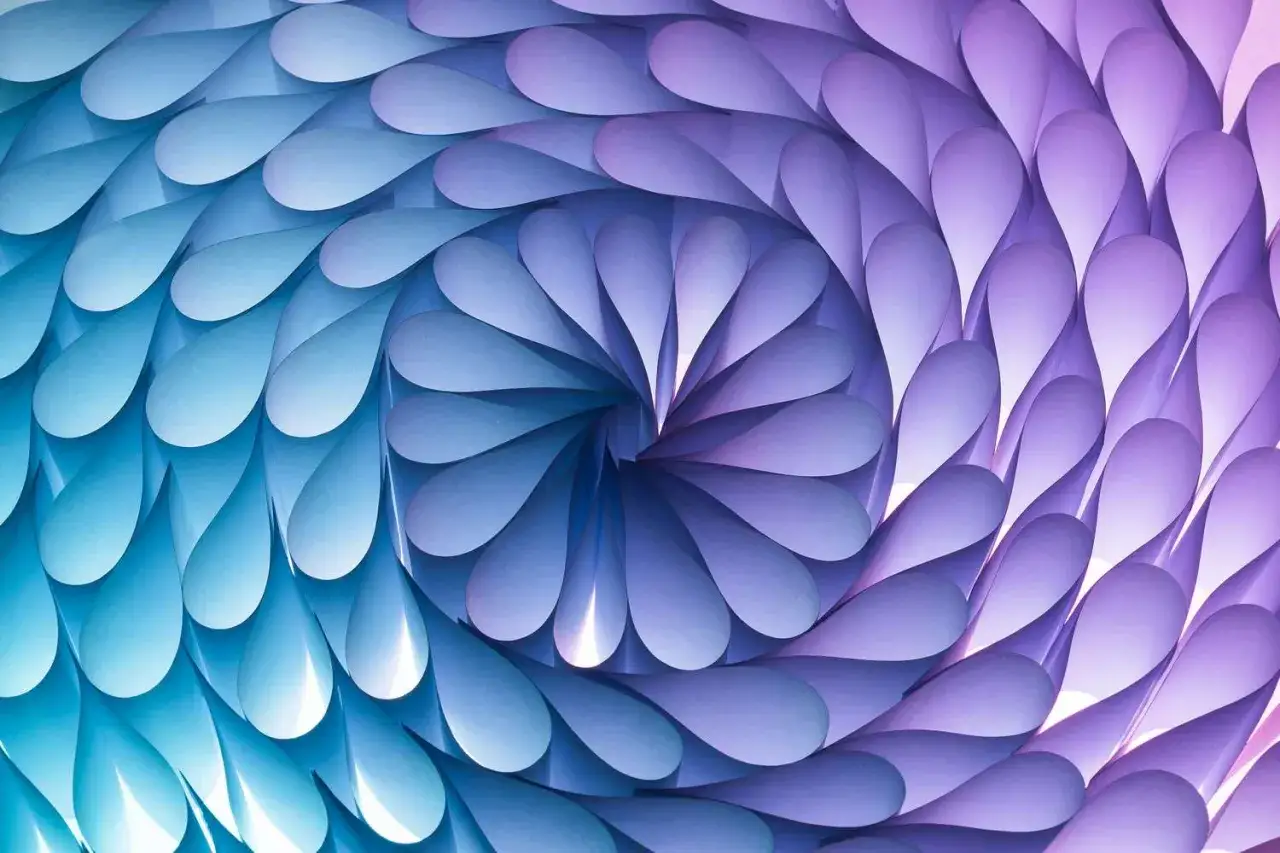
Some artists use repetition to seduce the viewer; others use it to criticise the very system it resembles. Andy Warhol’s serial imagery turns consumer objects into a study of mass culture. Yayoi Kusama’s dots feel immersive and obsessive, so the pattern becomes psychological rather than merely decorative.
What interests me most is that the same visual device can carry different ideas depending on scale, spacing and material. A tightly packed field of marks can suggest overload; a measured sequence can suggest discipline; a repeated figure with one variation can suggest difference within conformity. Pattern is rarely neutral once the artist gives it context.
That is also why pattern matters so much in contemporary galleries. It can point to labour, identity, digital repetition, ceremonial craft or the way images circulate online. In other words, the surface is often doing conceptual work.
How I read pattern in contemporary art and photography
Photography gives pattern a particular sharpness because the camera can flatten space and make repetition feel almost architectural. In paintings and installations, I look for the motif first; in photographs, I also look for how the frame crops the system and where the eye is being pulled.
- Identify the unit. What exactly repeats: a shape, a body, a colour, a texture, a gesture or a shadow?
- Check the spacing. Even spacing feels calm and deliberate; uneven spacing can make the work feel more alive.
- Look for variation. A shift in scale, angle, colour or material usually tells you what the artist wants to emphasise.
- Find the interruption. One break in a pattern often matters more than the pattern itself.
- Ask what the repetition means. Is it about order, memory, consumer culture, labour, identity or control?
In photography, pattern often arrives through architecture, fabrics, crowds, reflections or shadows. If the image is strong, the pattern does not just sit there; it helps organise depth and narrative at the same time. That brings us to the main failure point: pattern that is technically neat but visually empty.
Where pattern starts to work against the artwork
I see three common problems. First, repetition can become so regular that the work loses tension. Second, a pattern can overpower the subject and leave no focal point. Third, the system can feel decorative without adding any thought to the piece.
| Problem | What it does to the work | What usually helps |
|---|---|---|
| Every element repeats at the same scale | The image can feel static and too predictable | Vary size, density or colour |
| Pattern covers everything equally | The subject can disappear into the surface | Leave breathing room or create hierarchy |
| No interruption or contrast | The viewer gets bored because nothing changes | Break one area or shift material |
| No conceptual link | The result feels like decoration without an argument | Connect the repetition to theme or medium |
The fix is rarely to remove pattern altogether. More often, it is to give the repetition a role: lead the eye, build contrast, echo a theme or reveal a structure beneath the surface. When pattern has a job, it earns its place.
The decisions that make repetition feel intentional
When I want pattern to feel successful, I check three things: the repeated unit is clear, the variation is controlled, and the work leaves one space where the system breathes. That balance is what keeps a composition from becoming wallpaper.
- Start with one motif. A clean visual unit is easier to develop than a crowded one.
- Decide how strict the system should be. Perfect regularity and loose repetition produce very different moods.
- Use one meaningful break. An interruption gives the eye a reason to keep looking.
- Make the pattern serve the work’s subject. If it does not change how the piece reads, it is probably carrying too much weight.
That is the standard I use: the strongest patterned works feel inevitable, not merely busy. They repeat with intention, and that intention is what gives the image its lasting force.